

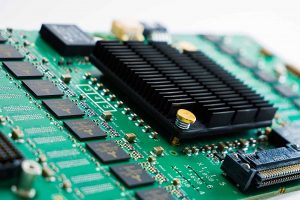
Have you ever peeked inside a computer or smartphone? If so, you likely saw that most printed circuit boards (PCBs) are green. This colour comes from the solder mask. It’s a protective layer that covers the copper circuits on the board’s fiber glass core. The solder mask stops short circuits. It lowers the chances of soldering mistakes in manufacturing. Also, it shields the copper from oxidation and damage by the environment.
But why is this solder mask green? Manufacturers can now create solder masks in various colours, including red, blue, black, white, and clear. But green is still the most common choice. There are a few reasons for this:
In the early days of PCB manufacturing, manufacturers used glass epoxy for solder masks. This material had a natural greenish tint. Modern solder mask materials come in various colours, but green is still the most common. It is also the cheapest to produce, helping it remain the industry standard.
Before automated optical inspection systems, humans did quality checks using magnification. Green is the best colour. It stands out well against the white silkscreen markings and shiny copper traces. This contrast makes it easier to spot defects. Green light has a wavelength that is easier on the eyes. This helps reduce fatigue for workers who spend long hours inspecting boards.
Over time, practical and economic reasons have made green the “default” colour of PCBs. Today’s technology offers a much wider range of colours. Coloured boards are popular for looks and branding. For instance, high-end gaming GPUs often use black PCBs. However, the classic green board still represents electronic engineering.