Key Takeaways
- The electronic contract assembly market is set to grow significantly, driven by a shift in how OEMs approach manufacturing and risk management.
- OEMs increasingly rely on EMS partners to tackle rising complexity in production and ensure fast, reliable manufacturing processes.
- Speed to market has become crucial for OEMs, influencing their success in consumer electronics and other sectors.
- Nearshoring is reshaping supply chain strategies, with regional partnerships improving lead times and resilience for UK and European OEMs.
- OEMs should evaluate potential EMS partners based on engineering capabilities, risk management, and commitment to continuous improvement.
By Neil Owen
Recent forecasts suggest the global electronic contract assembly market will grow from USD 26.12 billion in 2025 to USD 56.67 billion by 2031. On the surface, that looks like a familiar growth story. In reality, it points to something more fundamental: a shift in how OEMs think about manufacturing, scale and risk.
With the market expanding at close to 14% CAGR, electronic manufacturing services (EMS) providers are no longer valued purely for capacity. Increasingly, they are becoming strategic partners, helping businesses move faster, invest more efficiently and navigate rising technical complexity.
This isn’t outsourcing for the sake of it. It’s a deliberate manufacturing strategy.
Complexity Is Raising the Bar
Across almost every sector, electronic assemblies are becoming more sophisticated and harder to build.
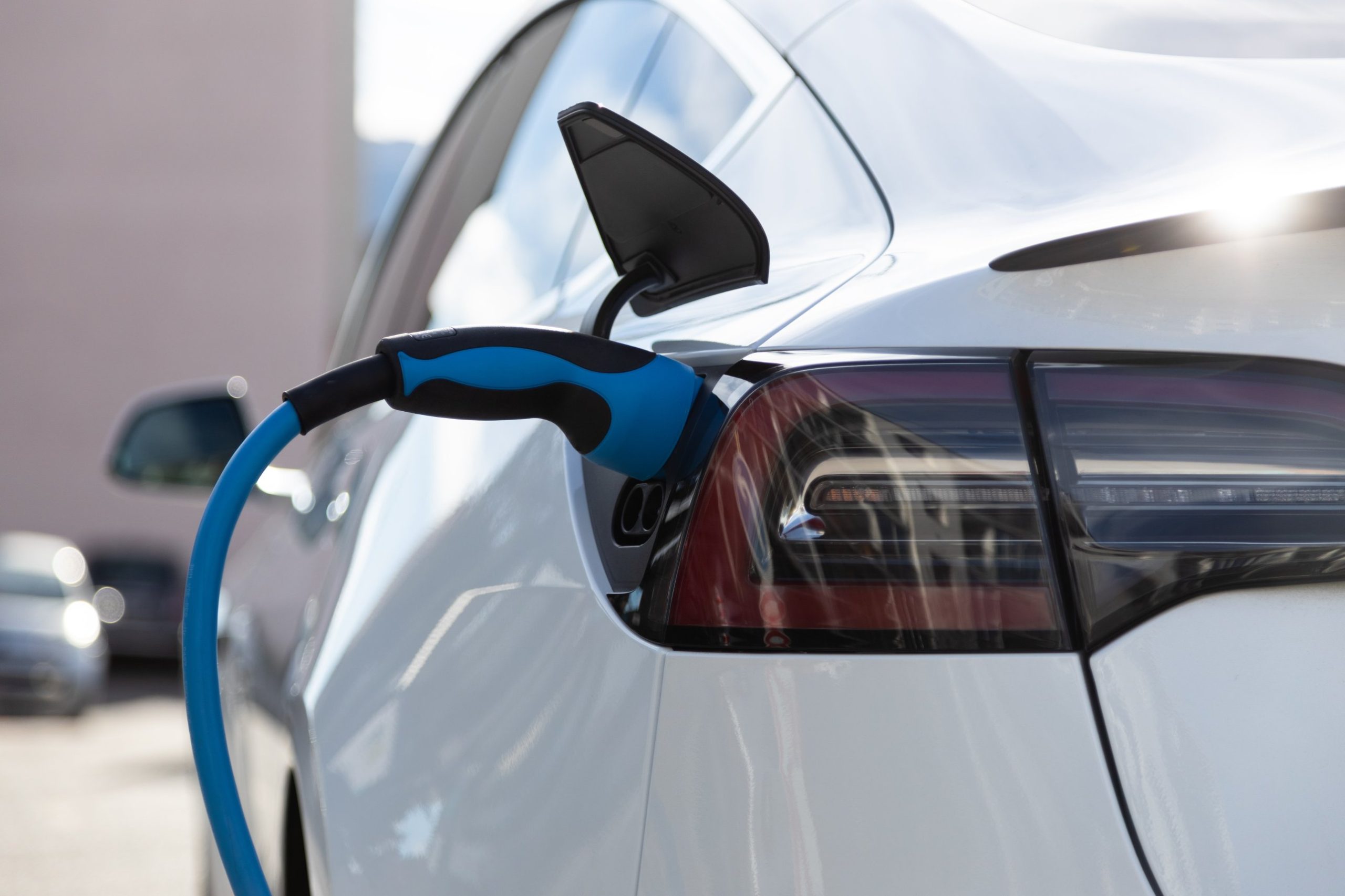
In automotive, the pace of electrification continues to accelerate. Nearly 14 million electric vehicles were sold globally in 2023, up 35% year on year. Each of those vehicles depends on dense, high-reliability electronics: battery management systems, power electronics, ADAS and connected control units, all of which demand advanced production capability and tight process control.
Medical technology shows a similar pattern. Volumes may be lower, but regulatory pressure, traceability requirements and expectations around reliability continue to increase. At the same time, industrial automation, robotics and smart infrastructure are pushing PCB complexity higher while shortening product life cycles.
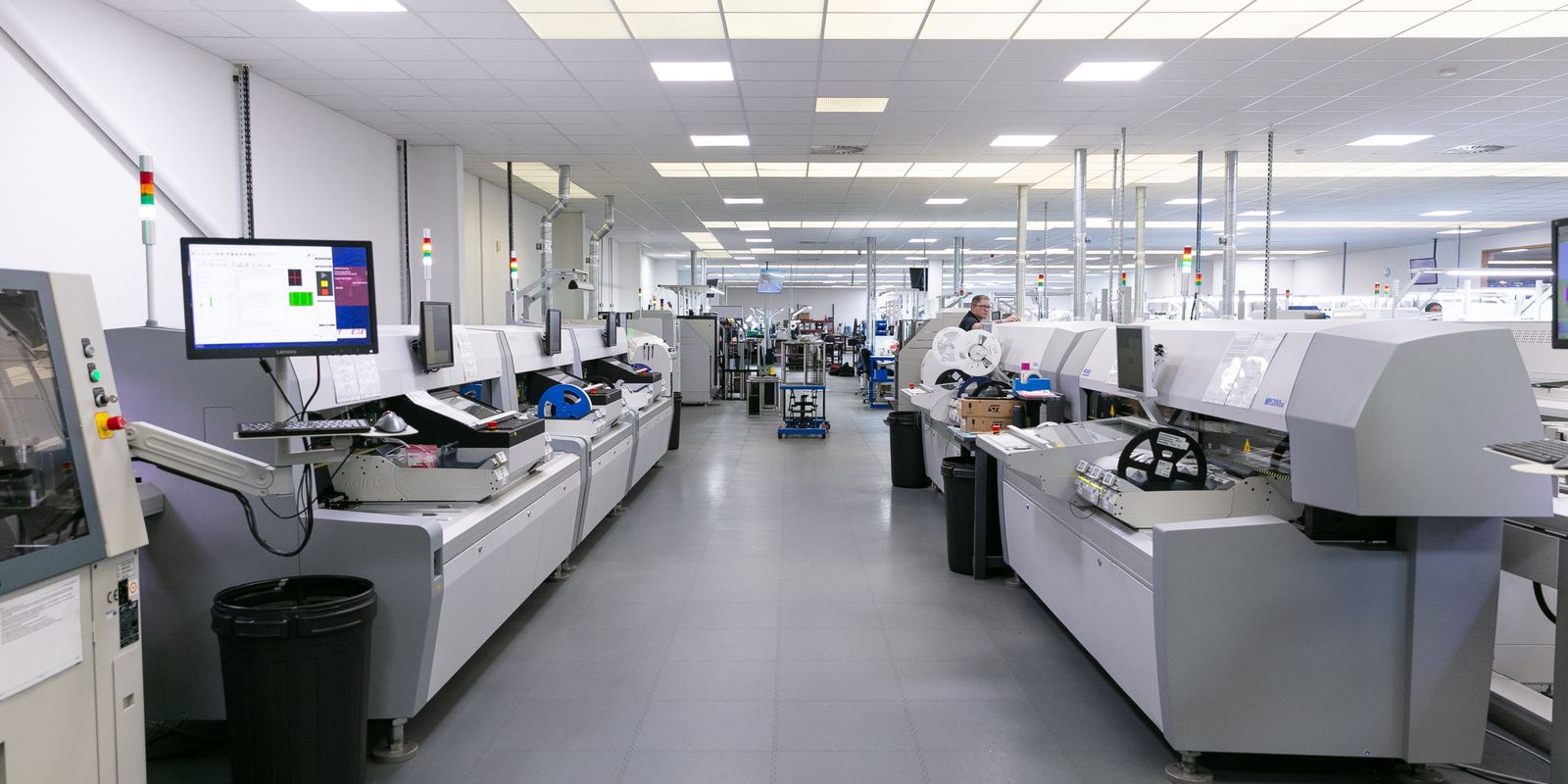
For many OEMs, building this capability in-house is neither simple nor economical. Specialist EMS providers offer access to experienced engineering teams, advanced equipment and scalable production without the long lead times and capital investment that internal expansion requires.
Speed to Market Has Become Decisive
Nowhere is this more visible than in consumer electronics.
Demand for AI-enabled products, compact designs and rapid product refresh cycles continues to intensify. Hon Hai Precision Industry’s 20% year-on-year revenue growth in Q3 2024 underlines the ongoing appetite for outsourced electronics manufacturing at scale.
For OEMs, speed is no longer a nice-to-have. The ability to design, industrialise and ramp production quickly can define whether a product succeeds or stalls. EMS partners that can support rapid prototyping, smooth NPI and predictable scale-up increasingly influence time to revenue.
Nearshoring Is Reshaping Supply Decisions
Cost is still important, but it is no longer the only factor guiding manufacturing strategy.
Recent disruptions have pushed supply chain resilience much higher up the agenda. Long lead times, geopolitical uncertainty and freight volatility have prompted many businesses to re‑examine where and how they manufacture. This has driven investment into more regionally balanced models, with growing activity.
For UK and European OEMs, working with regional EMS partners can bring clear advantages: shorter lead times, faster engineering collaboration, improved supply visibility and reduced dependency on long-distance logistics. Just as importantly, it supports stronger continuity planning when disruption occurs.
Questions OEMs Should Be Asking
As the electronic contract assembly market expands, the choice of EMS partner becomes more consequential.
OEMs should be looking beyond capacity alone and asking tougher questions:
- Can this partner support us from prototype through to volume production?
- Do they have the engineering depth to handle complex, high-mix assemblies?
- Can they help mitigate supply chain risk?
- Are quality systems and traceability genuinely robust?
- Can they scale with us across regions?
- Do they bring a mindset of continuous improvement and efficiency?
Final Thought
The electronic contract assembly market is growing quickly, but the real opportunity lies in what sits behind the numbers.
OEMs are increasingly looking for partners who bring confidence, agility and technical depth, not just production lines. Capacity matters, but certainty matters more.
At NOTE in the UK, we see this shift every day. Customers are no longer simply buying manufacturing resource - they are investing in capability, resilience and the assurance that their products can scale in an increasingly demanding market.