Key Takeaways
- PCBA stands for printed circuit board assembly, which involves populating a bare PCB with electronic components and soldering them.
- A PCB is unpopulated and cannot function, while a PCBA is a fully assembled circuit board ready for operation.
- PCBA manufacturing combines automated machinery with engineering oversight, using techniques like surface mount technology and through-hole soldering.
- The IPC-A-610 standard defines PCBA quality, categorising it into three classes based on reliability requirements.
- NOTE UK manufactures PCBAs to IPC-A-610 Class 2 and Class 3 standards, offering inspection and support for various production volumes.
PCBA stands for printed circuit board assembly – the process of populating a bare circuit board with electronic components and soldering them in place to create a functional electronic assembly. It is one of the most fundamental processes in electronics manufacturing, and the term appears throughout component datasheets, manufacturing quotations, and supplier websites. This page explains exactly what PCBA means, how it differs from a bare PCB, and what to expect from a PCBA manufacturer.
PCBA Definition
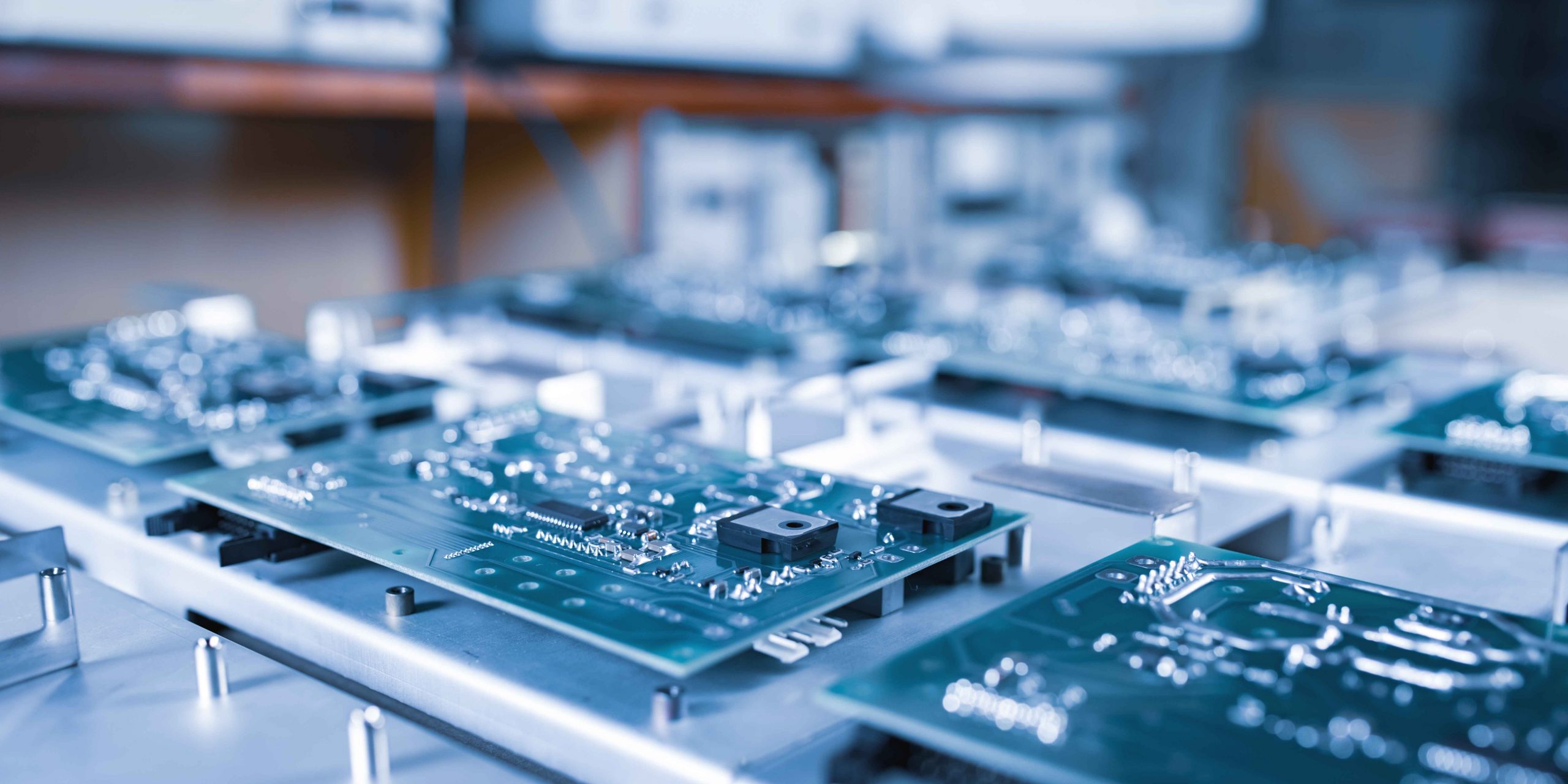
PCBA (printed circuit board assembly) is a populated circuit board: a bare PCB with all required electronic components – resistors, capacitors, integrated circuits, connectors, and more – mounted and electrically connected through soldering. The bare board provides the conductive pathways; the assembly process turns it into a working electronic product or sub-assembly.
PCB vs PCBA – What’s the Difference?
A PCB (printed circuit board) is the unpopulated substrate: a laminated board, typically FR4 glass-reinforced epoxy, with conductive copper tracks and component pads etched onto its surface. On its own, a PCB has no function – it cannot power on, process a signal, or perform any task. A PCBA is that same board after components have been placed and soldered. The PCB is the canvas; the PCBA is the finished picture.
How are PCBAs manufactured?
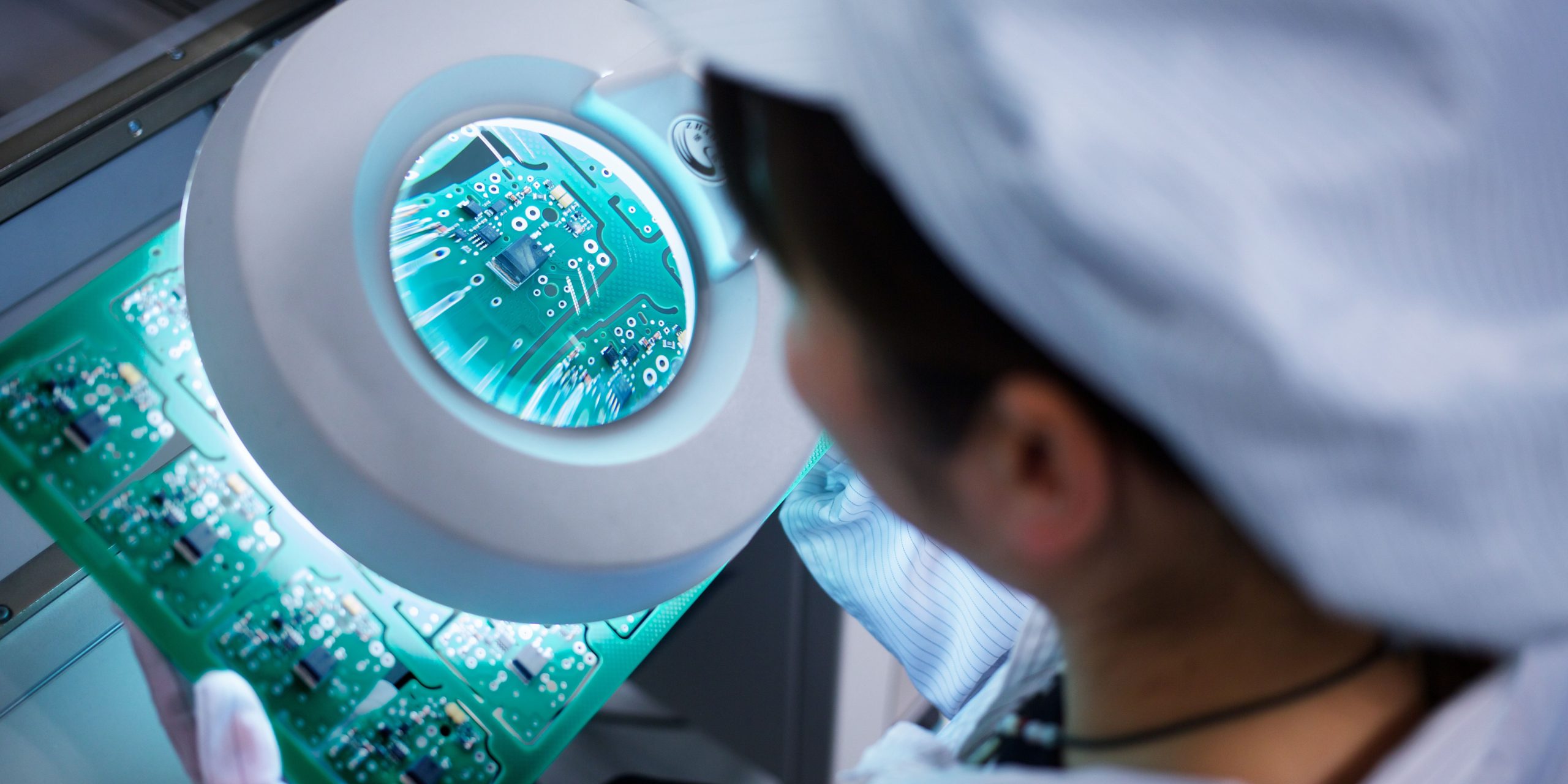
PCBA combines automated machinery with engineering oversight. For surface mount technology (SMT) boards, solder paste is applied to component pads via a stencil, components are placed using high-speed pick-and-place machines, and the assembly passes through a reflow oven where the solder melts and forms permanent joints. Through-hole components – typically connectors and larger parts – are soldered separately, either by wave soldering or selective soldering. Every assembly is inspected, most commonly using automated optical inspection (AOI), with X-ray inspection used for components with hidden solder joints such as BGAs.
Quality Standards
The international workmanship standard for PCBA is IPC-A-610, which defines three acceptability classes. Class 1 covers general electronics; Class 2 covers dedicated service electronics such as most commercial and industrial products; Class 3 covers high-reliability electronics including medical devices and defence systems, where failure is not an acceptable outcome. A reputable PCBA manufacturer will be able to confirm which class they work to and apply the appropriate inspection criteria.
How NOTE UK can assist
NOTE UK provides PCBA across SMT, through-hole, and mixed-technology assembly, manufacturing to IPC-A-610 Class 2 as standard and Class 3 for high-reliability programmes. Every assembly is inspected using AOI, with X-ray available for BGA verification. We manufacture lead-free as standard, with leaded processes available where specified, and support volumes from single-unit prototypes through to high-volume serial production across most of our UK sites.
| Ready to discuss your PCBA requirements? Contact NOTE UK’s team or read our full guide to the PCBA process, including a step-by-step breakdown of how we manufacture. |