Key takeaways
- EMS (electronics manufacturing services) covers the whole product life, from design support and prototyping to sourcing, manufacturing, test and after-sales.
- CEM (contract electronics manufacturing) usually describes the manufacturing itself. EMS wraps that manufacturing in a fuller service.
- Most established UK electronics manufacturers, including NOTE in the UK, work as full-scope EMS providers.
Table of contents
EMS (electronics manufacturing services) is the outsourced design support, manufacture, test and after-sales care of electronic products for original equipment manufacturers (OEMs). An EMS provider builds PCB assemblies (PCBA), box builds and cable assemblies, and can support a product from the first design review to end of life. This page explains what EMS covers, how it compares with CEM, and what to look for in an EMS partner in the UK.
Definition
Electronics manufacturing services (EMS) describes the full range of services an electronics manufacturer offers across a product’s life: design support, prototyping, sourcing, manufacturing, test and after-sales. An EMS provider is a manufacturing partner that can support a product from early development to end of life, rather than a single-service supplier.
EMS vs CEM - What’s the Difference?
The two terms are often used interchangeably, but there is a useful difference. CEM describes the manufacturing itself. EMS is the broader term for a provider that wraps manufacturing in a fuller service.
| EMS | CEM | |
|---|---|---|
| Covers | The whole product life: design support, prototyping, sourcing, manufacturing, test, after-sales and end of life | The manufacturing itself: PCBA, box build and assembly |
| Relationship | Long-term manufacturing partner | Build-to-print supplier |
| Best for | OEMs who want one partner from design to end of life | OEMs with a finished design who need build capacity |
In practice, most established UK electronics manufacturers, including NOTE in the UK, work as full-scope EMS providers. For a fuller comparison, read CEM vs EMS: what is the difference?
What Does an EMS Provider Do?
A full-scope EMS provider supports six stages of a product’s life:
- Design and engineering support - design for manufacture (DFM) and design for test (DFT) reviews, and component selection. Development
- Prototyping and new product introduction (NPI) - building early units to production standards. Prototyping
- Component sourcing and supply chain management - buying from authorised suppliers and managing lead times. Sourcing
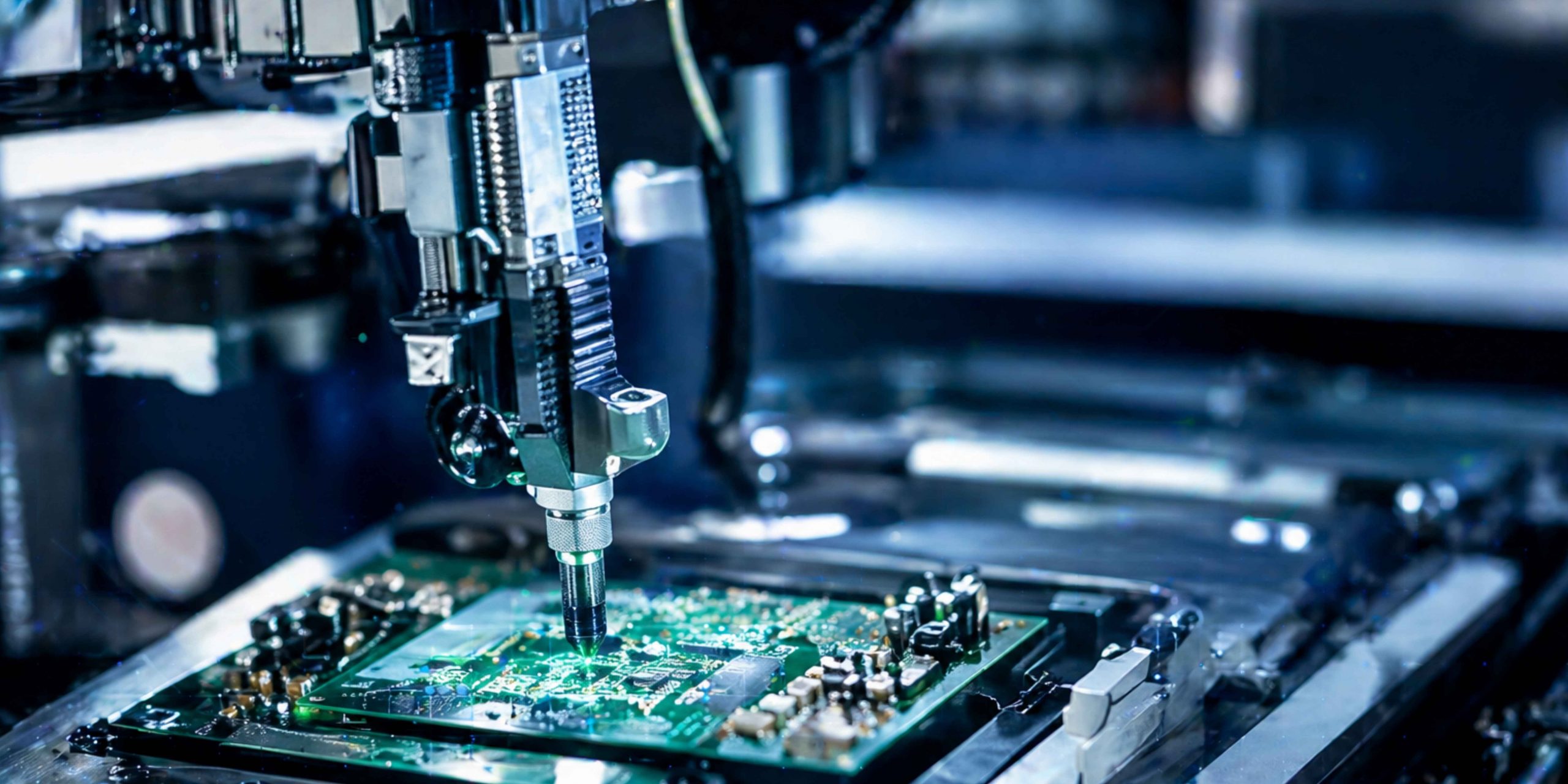
- PCB assembly, box build and cable assembly - from populated boards to finished products. PCBA Manufacturing and Box Build
- Test and quality assurance - inspection and functional test before anything ships. Manufacturing
- After-sales and end of life (EOL) - repairs, spares and obsolescence management. After-sales and EOL
Not every EMS provider offers all six. The breadth of service is what separates a full-scope EMS partner from a manufacturing-only supplier.
Why the EMS Market is Growing
OEMs increasingly outsource electronics manufacturing so their own teams can focus on product design, sales and customers. Three things are pushing that along: more complex components, tighter regulation in sectors such as medical and defence, and supply chains that can shift quickly. Together they make a capable EMS partner, with sourcing scale and certified quality systems, worth more than it used to be.
How to Choose an EMS Partner in the UK
Five questions to ask any EMS provider:
- Do they hold the certifications your sector needs? ISO 9001 is the baseline. Medical devices need ISO 13485, and aerospace and defence work usually needs AS9100.
- How much of the product life do they cover? Check whether they support you from design to end of life, or manufacturing only.
- Can they scale with you? Ask about capacity, and whether work can move between sites without re-qualification.
- How strong is their sourcing? Look for authorised suppliers, buying scale and a clear plan for long lead times.
- Have they built for your sector before? Ask for reference customers in applications like yours.
EMS at NOTE in the UK
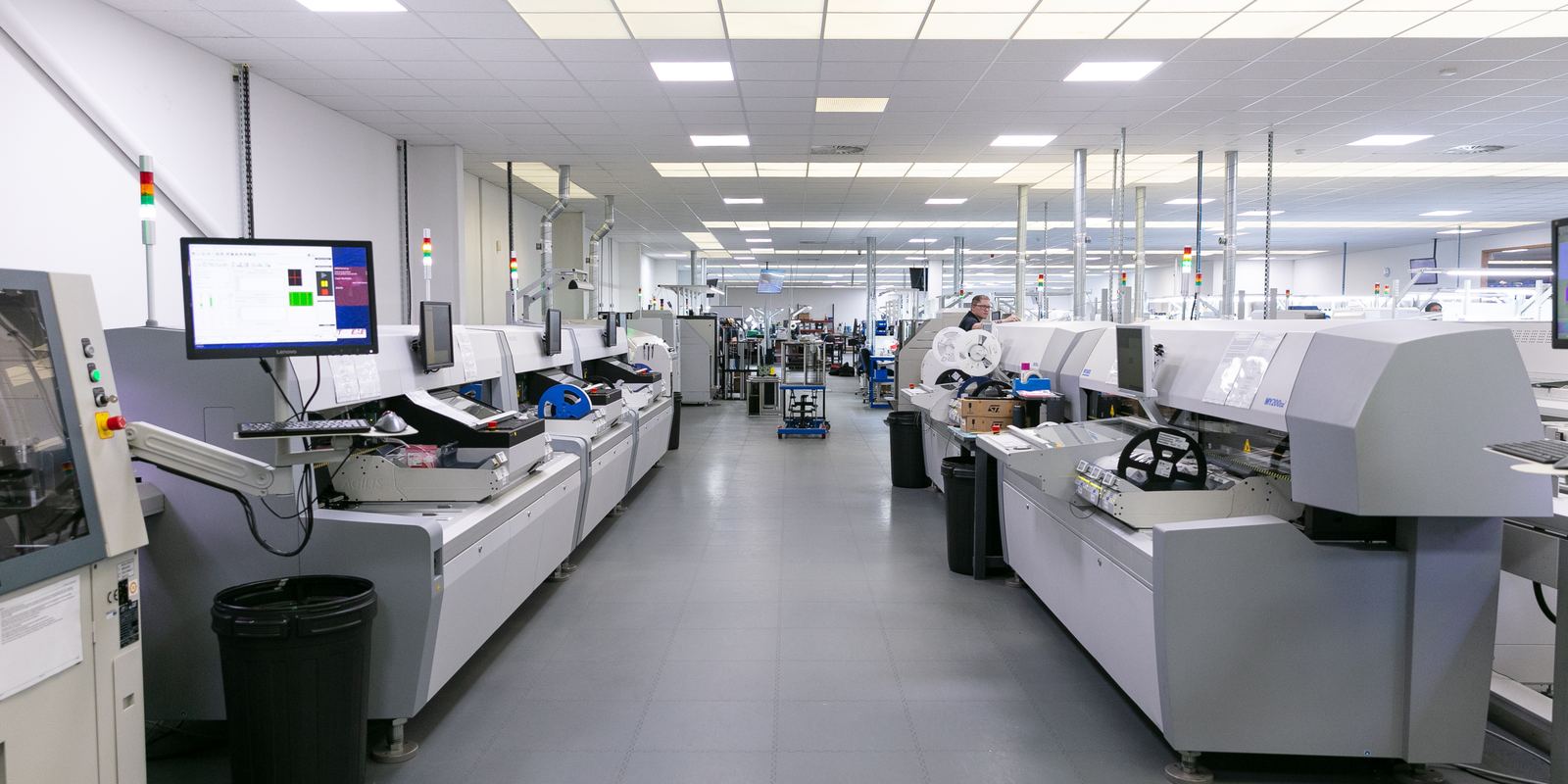
NOTE in the UK is a full-scope EMS provider with six manufacturing sites across England: Windsor, Haddenham, Basildon, Wolverhampton (Kasdon, a NOTE company), and STI NOTE at Hook and Poynton. We support customers from early design and DFM review through prototyping, sourcing and manufacturing to after-sales and end of life.
All six sites hold ISO 9001. Basildon and Wolverhampton hold ISO 13485 for medical devices, and STI NOTE at Hook and Poynton hold AS9100. We build for customers in MedTech, Industrial, Communications, GreenTech, and Security & Defence, with the wider NOTE Group behind us across Northern Europe and Asia.
Related reading
| Looking for an EMS partner? Talk to our team about your requirements, or explore our services from Development through to After-sales and EOL. |