OEMs can reduce component lead times by acting early at five points in a product’s life: design, prototyping, sourcing, planning and end of life. Approving alternate parts at design stage, sharing forecasts early and working with a contract electronics manufacturer that buys across many factories all help protect production when memory and PCB materials are in short supply.
At 2am on Sunday 25 October, the clocks go back and everyone in the UK gets an hour for free. Electronics supply chains don’t hand out free hours. This autumn, they’re short of them.
Memory prices have climbed by as much as 400% in two years as AI data centres absorb capacity (Supply Chain Dive). Suppliers of PCB materials - copper-clad laminate, copper foil and drill bits - are planning expansions that run three to four years out, with the shortage expected to last beyond 2029 (DIGITIMES). And the largest buyers are moving from one-year supply agreements to three- and five-year deals, some with advance payments of up to 30%.
If you build medical devices, industrial controls, security systems or communications equipment, your boards use the same laminates and the same memory that the hyperscalers are queuing for.
Key Takeaways
- OEMs can reduce component lead times by acting early at five key stages: design, prototyping, sourcing, planning, and end of life.
- Selecting parts with multiple approved sources and testing the supply chain during prototyping protects against shortages.
- Sharing forecasts early helps manufacturing partners place long-lead orders and build buffer stock effectively.
- Working with a contract electronics manufacturer can secure access to crucial components through pooled demand.
- Building closer to markets shortens supply chains and enhances resilience against shifts in demand.
1. Design for availability
Pick parts with more than one approved source and check lifecycle status before the layout is frozen. Approving an alternate at design stage takes an afternoon. Approving one in the middle of a shortage can mean weeks of requalification.
2. Test the supply chain at prototype
Use the prototype build to test your supply chain as well as your board. Which lines on the BOM were hard to find for 20 units? They will be harder for 2,000. Prototyping is the cheapest moment to find out.
3. Source at scale
Multi-year contracts and advance payments favour the biggest balance sheets. A contract electronics manufacturer pools demand across many customers and many factories, which gives a mid-sized OEM a seat at a table it couldn’t reach alone. NOTE’s sourcing colleagues work across a network of factories in Northern Europe and Asia, so a shortage in one market rarely means a dead end.
4. Share your forecast early
Share your forecast, even when you’re not sure of it. A rolling view of the next 12 to 18 months lets your manufacturing partner place long-lead orders early and agree buffer stock where it makes sense. A rough forecast shared in October is worth more than a perfect one in March.
5. Plan for end of life
Plan last-time buys and redesigns before the final order date, not after it. The products that run smoothly for 15 years are usually the ones where someone was watching the parts list in year three.
Why building closer to home helps
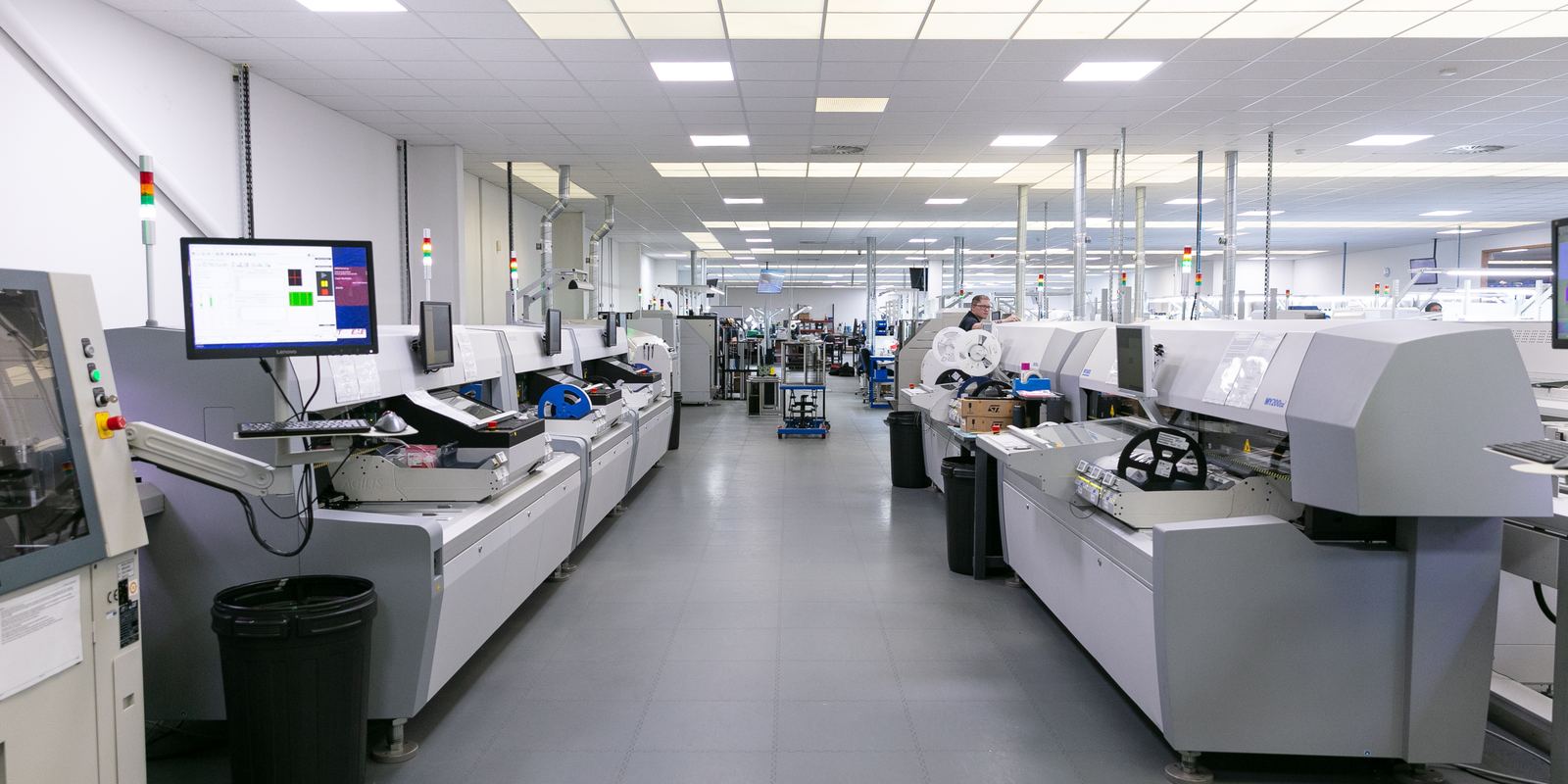
Across the industry, companies are moving production closer to the markets they serve. It shortens the final leg, cuts the number of borders a product crosses and makes it easier to respond when demand shifts. NOTE UK manufactures at six UK sites: Windsor, Haddenham, Basildon, Wolverhampton, Hook and Poynton.
Enjoy the extra hour
None of this needs a big programme. It needs the right conversations at the right stage, between engineers, buyers and the people building the product.
So enjoy the lie-in on Sunday. Then on Monday, open your BOM and ask which lines would keep you awake at night. That’s where the time is hiding.
If you’d like a second pair of eyes on it, our colleagues are here to help. Contact NOTE UK.
Frequently asked questions
Act early at five points: design for availability, test the supply chain at prototype, source through a partner with buying scale, share forecasts early and plan last-time buys before end of life. Each step buys time before a shortage reaches the production line.
AI data centres are absorbing memory and advanced PCB materials. Memory prices have risen by as much as 400% in two years, and laminate, copper foil and drill bit suppliers are planning capacity expansions that run three to four years out.
It means choosing parts with more than one approved source and checking each part’s lifecycle status before the PCB layout is frozen. Alternates approved at design stage avoid requalification work later.
A contract electronics manufacturer pools purchasing across many customers and factories. That gives mid-sized OEMs access to supply and supplier relationships they would struggle to secure alone.
Building close to the end market shortens the final leg of the supply chain and reduces border crossings. NOTE UK manufactures at six UK sites: Windsor, Haddenham, Basildon, Wolverhampton, Hook and Poynton.