Key Takeaways
- A contract electronics manufacturer (CEM) in the UK designs and builds electronic products for other businesses, overseeing everything from prototyping to after-sales support.
- CEM usually describes the manufacturing itself, while electronics manufacturing services (EMS) is the broader term covering design support, sourcing and after-sales. Most UK providers offer both.
- A full-service CEM manages the entire product lifecycle, including development, prototyping, sourcing, and manufacturing.
- When selecting a CEM, consider certifications, sector experience, and the manufacturer’s capacity to meet production demands.
- NOTE in the UK is a leading CEM in the UK, offering long-term partnerships and comprehensive manufacturing services across multiple sectors.
A contract electronics manufacturer (CEM) is a company that builds and tests electronic products on behalf of other businesses. In the UK, most CEMs now offer a fuller service around the build, from prototyping and PCB assembly to full box build, system integration and after-sales support. That fuller offer is usually called electronics manufacturing services, explained in What is EMS? Either way, customers can focus on product development and sales rather than manufacturing.
What is a contract electronics manufacturer?
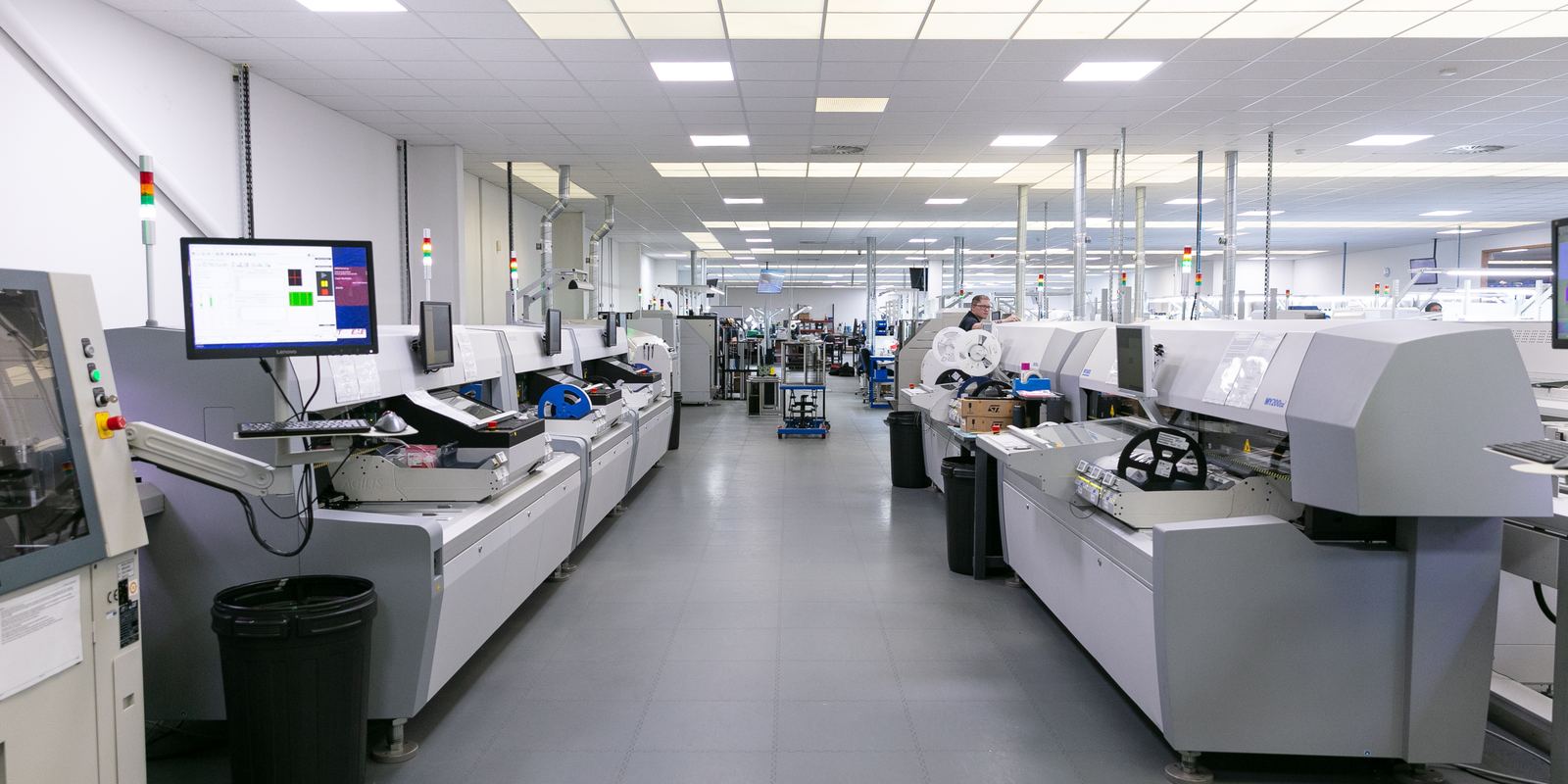
A CEM takes on some or all of the manufacturing process for an electronics product on behalf of its customer (the original equipment manufacturer, or OEM). The customer retains ownership of the product design and brand; the CEM provides the facilities, equipment, expertise and supply chain to produce it.
The scope of a CEM engagement can range from assembling a single PCB to managing the entire product lifecycle - from concept engineering and NPI through to volume serial production, warehousing and end-of-life support.
CEM vs EMS: what’s the difference?
CEM describes the manufacturing itself: building electronics to someone else’s design. EMS is the broader term for a provider that wraps that manufacturing in design support, sourcing and after-sales. In practice, most UK providers, including NOTE in the UK, offer both. For a side-by-side comparison, read CEM vs EMS: what is the difference?
What does a UK CEM actually do?
A full-service CEM covers the complete product lifecycle:
Development.
Early-stage engineering support, including Design for Manufacture (DfM) reviews, test development and product design - ensuring your product can be manufactured reliably and cost-effectively at scale.
Prototyping.
Prototype PCB assembly and NPI (new product introduction) services, enabling rapid design iterations and thorough testing before committing to volume production.
Sourcing.
Component procurement from approved global and local suppliers, with supply chain risk management to protect your production schedule against shortages and extended lead times.
Manufacturing.
PCB assembly (PCBA), box build, cable assembly, system integration and full turnkey production - from low-volume specialist runs to high-volume serial manufacturing.
After-Sales & EOL.
Product maintenance, spare parts management and end-of-life support, ensuring continuity for customers with long-lifecycle products.
How to choose a UK contract electronics manufacturer
Certifications.
Look for ISO 9001 as a baseline quality standard. For medical devices, ISO 13485 is mandatory. For aerospace and defence, AS9100 and IPC Class 3 are the relevant benchmarks. A CEM’s certification profile tells you which sectors they genuinely serve and to what standard.
Sector experience.
Electronics for a cardiac monitor and electronics for an industrial controller have very different requirements. Choose a CEM with demonstrated, auditable experience in your sector - not just a checkbox on their website.
Scale and capacity.
Ensure the CEM can handle your current volumes and grow with you. A CEM with multiple UK sites offers resilience; if one facility has a constraint, production can flex across the network.
UK-based vs offshore.
UK-based manufacturing offers shorter lead times, easier collaboration, no import duty exposure, and simpler quality auditing. For regulated sectors - MedTech, Defence - a UK supply chain also reduces compliance complexity significantly.
Long-term partnership approach.
The best CEM relationships are built over years, not projects. Look for a manufacturer whose business model is built on long-term customer partnerships, with dedicated account management and transparent communication.
NOTE in the UK as your CEM partner
NOTE in the UK is a leading UK contract electronics manufacturer operating from six sites across England: Windsor, Haddenham, Basildon, Wolverhampton (Kasdon, a NOTE company), and STI NOTE at Hook and Poynton. We serve customers across MedTech, Security & Defence, Industrial, Communications and GreenTech. All six sites hold ISO 9001, Basildon and Wolverhampton hold ISO 13485, and STI NOTE at Hook and Poynton hold AS9100, with IPC Class 3 capability for high-reliability builds.
Whether you need prototyping, high-volume PCBA, complex box builds or full lifecycle support, we build long-term manufacturing partnerships around your product and your growth plans.
Talk to our team or email info.note@note-ems.co.uk
Frequently asked questions
What is the difference between a CEM and an EMS provider?
The terms are often used interchangeably. CEM (contract electronics manufacturer) usually describes the manufacturing itself, while EMS (electronics manufacturing services) is the broader term that adds design support, sourcing and lifecycle services. Most UK providers offer both.
What certifications should a UK contract electronics manufacturer hold?
ISO 9001 is the baseline quality management standard. ISO 13485 is required for medical device manufacturing. AS9100 covers aerospace and defence. IPC Class 2 and Class 3 define the workmanship standards for PCB assembly - Class 3 being the most demanding, required for mission-critical applications.
What is PCBA in electronics manufacturing?
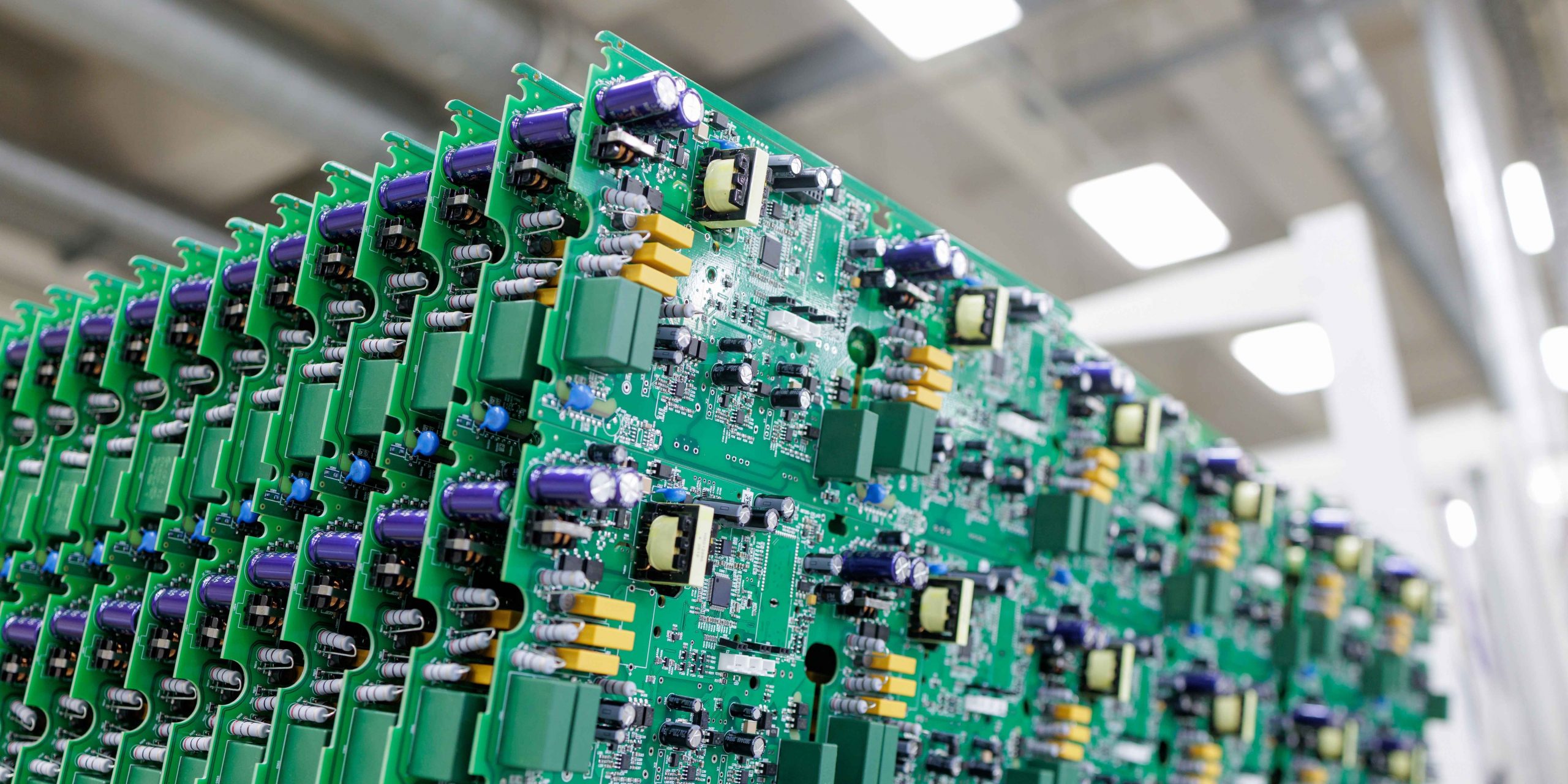
PCBA stands for printed circuit board assembly’ - the process of soldering electronic components onto a bare PCB to create a functional circuit. It is typically the first stage of electronics manufacturing, before box build or system integration.
What is box build in electronics manufacturing?
‘Box build’ refers to the assembly of a complete electronic product or system - taking PCBAs and integrating them with mechanical enclosures, wiring, connectors, displays and other components to produce a finished, testable unit ready for end use.
How do I know if a CEM can handle my production volume?
Ask to see evidence of comparable programmes - volumes, product complexity and sector. A CEM with multiple UK sites can typically flex capacity more readily than a single-site operation. Ask specifically about their approach to volume ramp and what happens if your forecast changes.
Published by NOTE in the UK. For more information about our electronics manufacturing services, contact the team or download our 2026 brochure.